
PN25

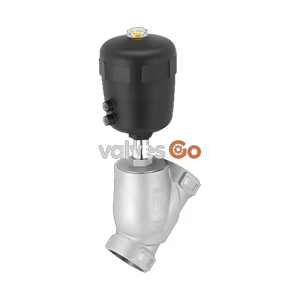
Burkert 20133802 Type 2101 pneumatic 2/2-way globe valve. Features normally closed (NC) control, flow below seat, PTFE seal, and stainless steel body.
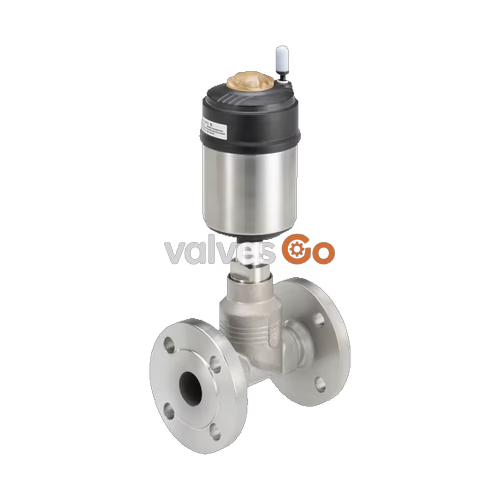
Burkert 20133802 Type 2101 is a pneumatically operated 2/2-way globe valve specially optimised for decentralised process automation. It meets practical requirements even under difficult operating conditions. Its unique design allows easy integration of automation units, from electrical/optical position feedback to pneumatic control and integrated fieldbus interfaces. Maximum service life and tightness are achieved by the proven self-adjusting V-seal packing gland. The highly integrated system of valve and automation unit is characterised by its compact and smooth design, integrated pilot air ducts, IP65/67 protection, and high resistance to chemicals.
This specific configuration (SKU 20133802) features a DN40 nominal seat diameter, Control Function A (normally closed), flow direction below the seat, a PTFE seat seal, and a stainless steel body.
The globe valve consists of a pneumatically actuated piston actuator and a 2-way body. The actuator is made from polyphenylene sulphide (PPS). Spring force (Control Function A) generates the closing force on the swivel plate. A spindle connected to the actuator piston transmits the force.
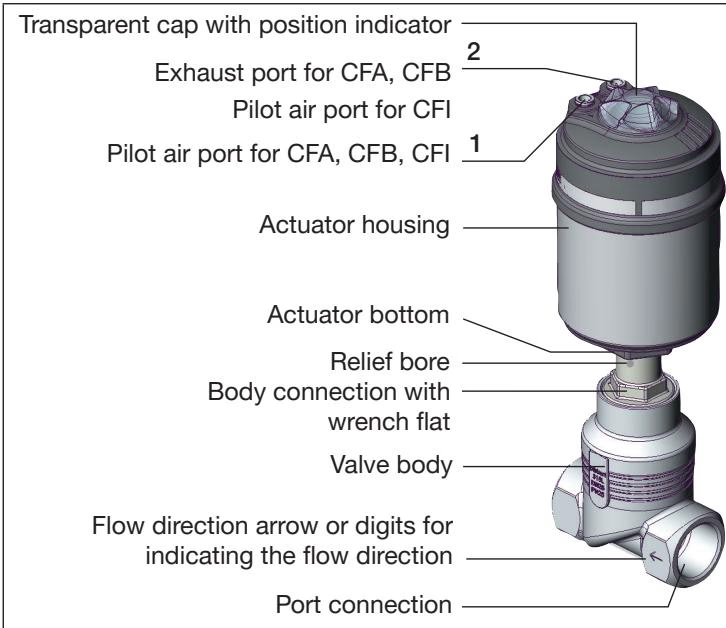
Depending on the variant, the valve is closed against the medium flow with spring force (Control Function A, CFA). As the medium is present under the swivel plate, the operating pressure contributes to the opening of the valve.

WARNING
Valve leak if there is too little minimum pilot pressure or high operating pressure! Minimum pilot pressure that is too low, or failing to meet the permitted operating pressure, can cause a leak in the valve seat. Adhere to minimum pilot pressure and do not exceed the operating pressure.
| Element | Material |
|---|---|
| Actuator cover | PPS |
| Actuator casing | Stainless steel 1.4561 (316Ti) |
| Piston seal | FKM |
| Spring | Stainless steel 1.4310 |
| Spindle packing | PTFE V-Rings (filled), with spring compensation |
| Spindle | Stainless steel 1.4401 (316) / 1.4404 (316L) |
| Swivel plate | Stainless steel 1.4401 (316) / 1.4404 (316L) |
| Seat seal | PTFE |
| Valve body | Stainless steel 316L / CF3M |
In addition to the maximum operating pressures, the operating range of Bürkert process valves is limited by the nominal pressure according to the relevant standard.
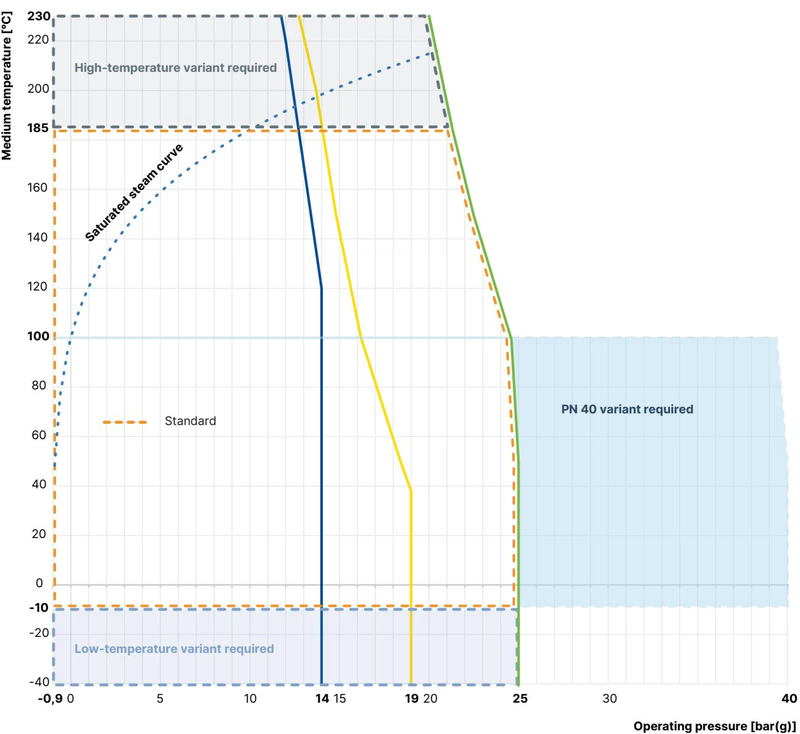
Usage limits of the valve (derating operating pressure):
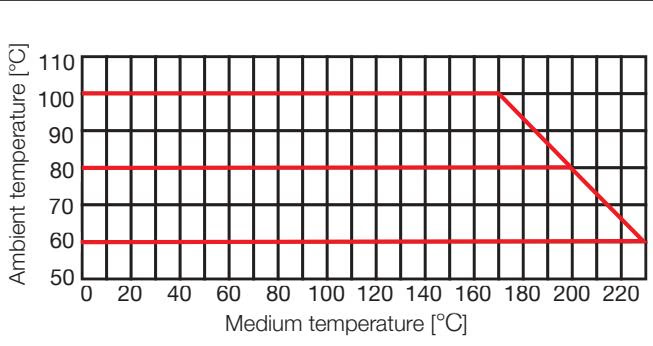
TIP
Turning the Actuator The position of the ports can be seamlessly aligned by turning the actuator 360°. When turning the actuator, the valve must be in the open position to avoid damage to the seat seal or seat contour.
When used in accordance with the operating instructions, the actuator of the globe valve is maintenance-free. Parts which are subject to natural wear are seals and the swivel plate. If there is a leak, replace the respective wearing part with a corresponding spare part.
According to the usage conditions, perform regular visual inspections:
Explore similar products in our catalog