
PN16

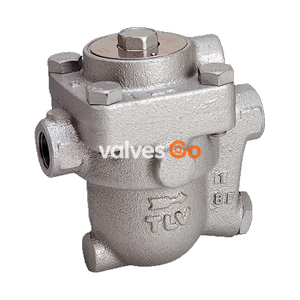
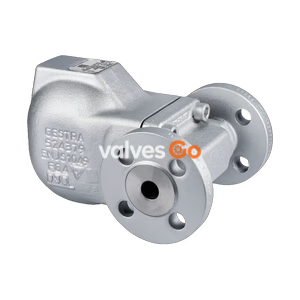
TLV SH5NL inline repairable free float steam trap with thermostatic air vent. Suitable for high pressure up to 10 MPaG and 425°C superheated conditions.
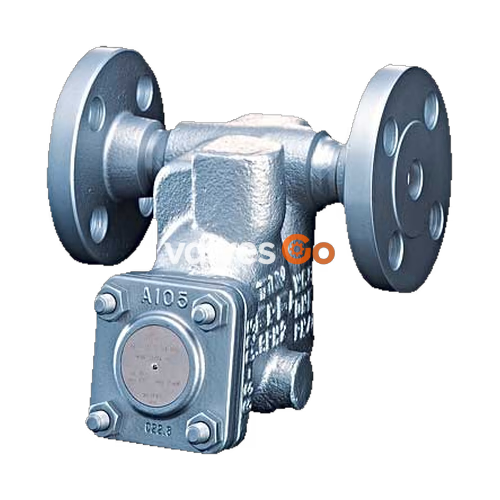
TLV SH5NL is an inline repairable free float steam trap with a thermostatic air vent. It is suitable for applications with pressures up to 10 MPaG (1500 psig), temperatures up to 425 °C (800 °F), and under superheat conditions. The traps discharge condensate continuously and automatically at a temperature slightly lower than saturation temperature.
DANGER
NEVER apply direct heat to the float. The float may explode due to increased internal pressure, causing accidents leading to serious injury or damage to property and equipment.
WARNING
Install properly and DO NOT use this product outside the recommended operating pressure, temperature and other specification ranges. Improper use may result in such hazards as damage to the product or malfunctions, which may lead to serious accidents. DO NOT use this product in excess of the maximum operating pressure differential. Such use could make discharge impossible.
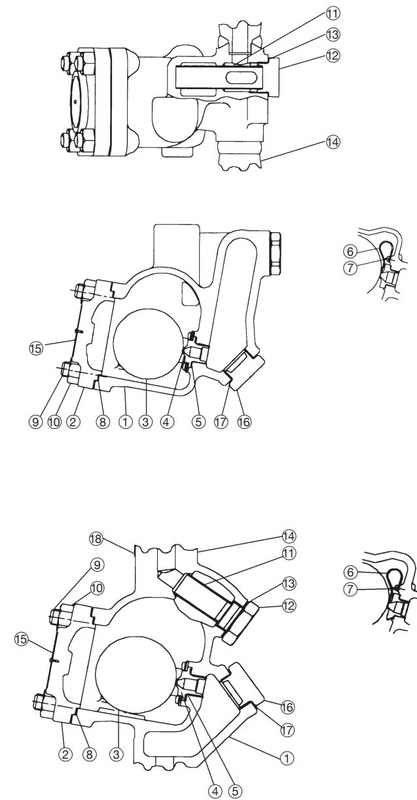
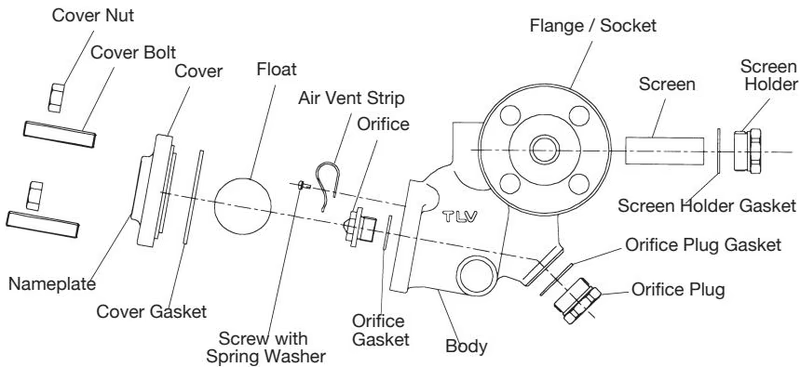
| No. | Description | No. | Description |
|---|---|---|---|
| 1 | Body | 10 | Cover Nut |
| 2 | Cover | 11 | Screen |
| 3 | Float | 12 | Screen Holder |
| 4 | Orifice | 13 | Screen Holder Gasket |
| 5 | Orifice Gasket | 14 | Flange / Socket |
| 6 | Air Vent Strip | 15 | Nameplate |
| 7 | Screw with Spring Washer | 16 | Orifice Plug |
| 8 | Cover Gasket | 17 | Orifice Plug Gasket |
| 9 | Cover Bolt | 18 | UP-Sticker (SH5VL) |
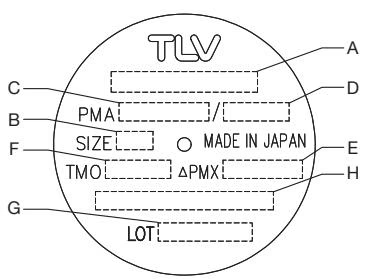
Refer to the product nameplate for detailed specifications.

Allowable Inclination
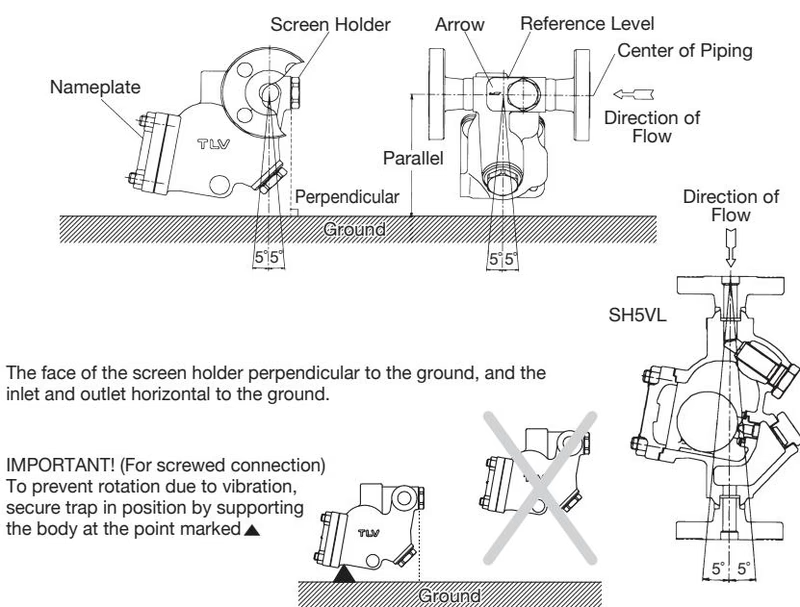
The face of the screen holder perpendicular to the ground, and the inlet and outlet horizontal to the ground.
Check to make sure that the pipes connected to the trap have been installed properly.
Operational inspections should be performed at least twice per year, or as called for by trap operating conditions. Steam trap failure may result in a temperature drop in the equipment, poor product quality or losses due to steam leakage.
Parts Inspection Procedure
| Part | Inspection |
|---|---|
| Body, Cover | Check inside for damage, dirt, grease, oil film, rust or scale |
| Gaskets | Check for warping or damage |
| Air Vent Strip | Check for damage |
| Screen | Check for clogging, corrosion or damage |
| Float | Check for deformation, damage, oil film or water inside |
| Orifice | Check for rust, scale, oil film, wear or damage |
A visual inspection can be carried out to aid in determining the necessity for immediate maintenance or repair.