Type 2032

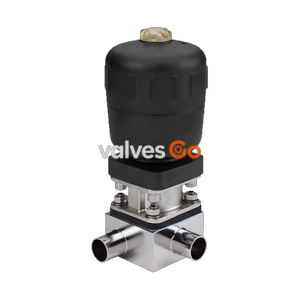
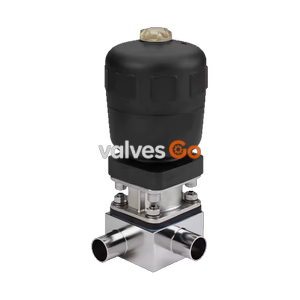
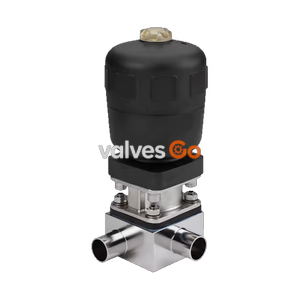
BURKERT 348208 Type 2031 2/2-way pneumatic diaphragm valve. Features a stainless steel weld end body, PA actuator, EPDM diaphragm, and handles pressures up to 10 bar.
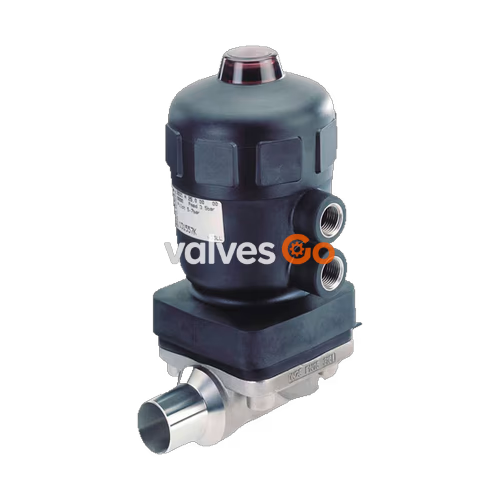
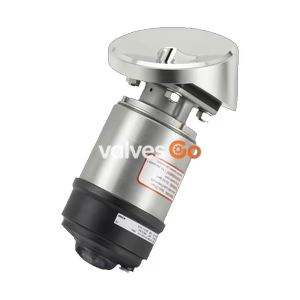
BURKERT 348208 Type 2031 is an externally controlled 2/2-way diaphragm valve with a pneumatic piston actuator and diaphragm seal. It uses neutral gases or air to control the flow of media. The proven and robust PA (Polyamide) actuator combined with a flow-optimised stainless steel valve body ensures reliable operation in hygienic or aggressive environments. This specific model features a DN 20 weld end connection, an EPDM high-temperature diaphragm, and operates with Control Function A (normally closed by spring force).
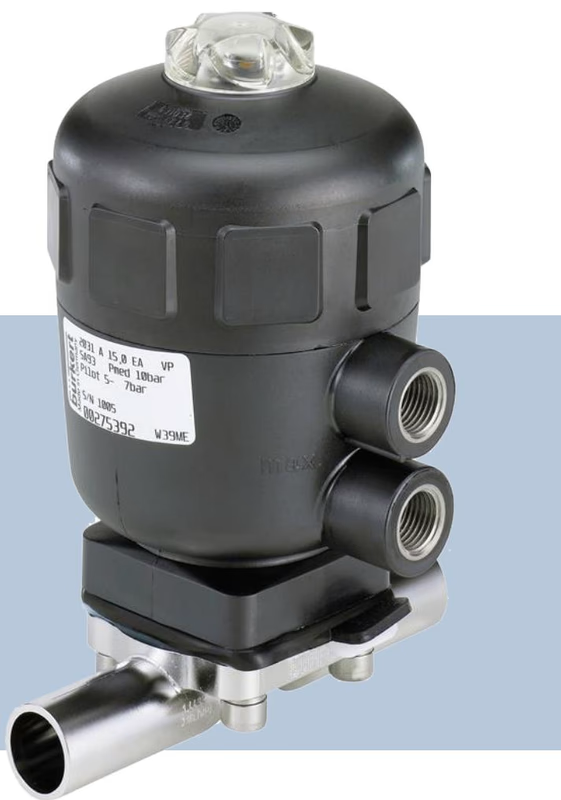
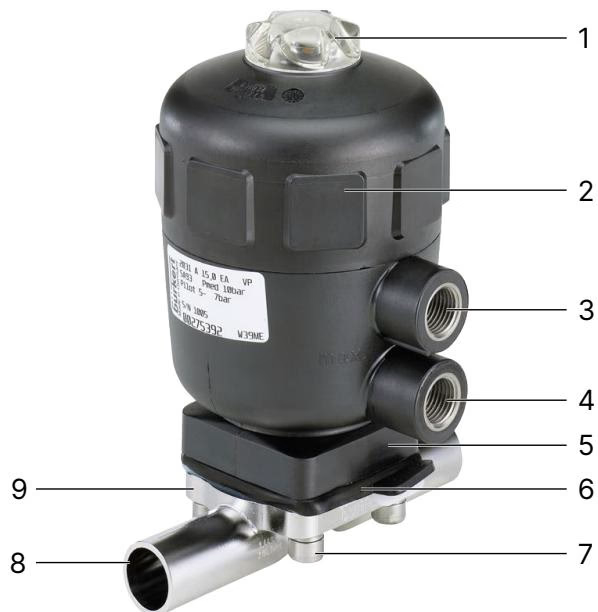
| Component | Description |
|---|---|
| 1 | Transparent cap with position indicator |
| 2 | Actuator cover |
| 3 | Upper pilot air port for CF A and CF I |
| 4 | Lower pilot air port for CF A and CF I |
| 5 | Diaphragm bonnet |
| 6 | Diaphragm |
| 7 | Body screw |
| 8 | Port connection |
| 9 | Valve body |
Depending on the control function, spring force (CF A) or pneumatic pilot pressure (CF B, CF I) generates the closing force. A spindle connected to the actuator piston transfers the force to the compressor, which presses the diaphragm against the weir in the valve body.
Ambient Temperature:
Medium Temperature for Diaphragms: The specified medium temperatures only apply to media that do not attack the diaphragm materials or cause it to swell up. Do not use the diaphragms as a steam shut-off element.
Maximum permissible operating pressure for control function A (Stainless Steel Body):
| Diaphragm size | Actuator size | Pilot pressure [bar] | Max. Dynamic Pressure (EPDM) [bar] | Max. Static Pressure (EPDM) [bar] |
|---|---|---|---|---|
| 15 | 50 (D) | 5.0–7 | 8.5 | 10 |
| 15 | 63 (E) | 5.0–7 | 10 | 10 |
| 20 | 63 (E) | 5.5–7 | 10 | 10 |
| 20 | 80 (F) | 5.0–7 | 10 | 10 |
| 25 | 80 (F) | 5.5–7 | 10 | 10 |
| 32 | 100 (G) | 5.5–7 | 10 | 10 |
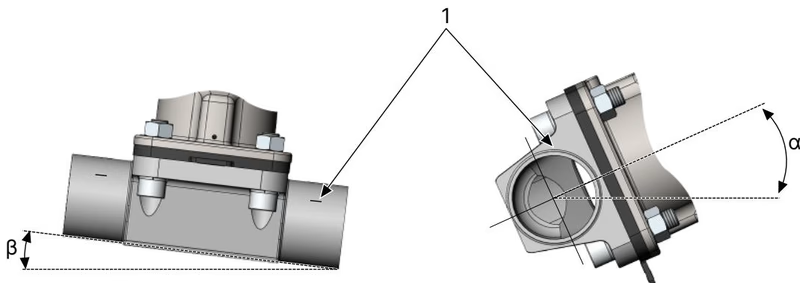
The installer and the operator are responsible for ensuring self-draining. The following points must be observed for optimum self-draining:
CAUTION: Damage to the diaphragm or the actuator
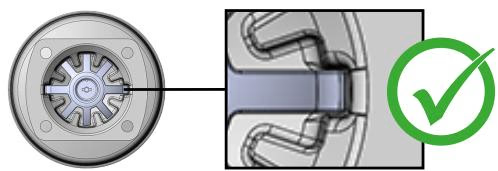
The diaphragm and actuator can be damaged when welding or bonding the valve body into the pipeline. ▶ In the case of devices with a welded connection, remove the actuator and diaphragm from the valve body before installation.
WARNING: Risk of crushing
If the compressor is not positioned correctly and the actuator is actuated, this may result in injuries and damage to the device. ▶ Before actuating the actuator, ensure that the compressor is in the correct position.
The device actuator is maintenance-free if the instructions in the operating manual are followed. Components which are subject to natural wear are seals and the diaphragm. If leaks occur, replace the affected wearing parts with suitable spare parts. The relief bore must be inspected at regular intervals for any medium leakages.
Explore similar products in our catalog